
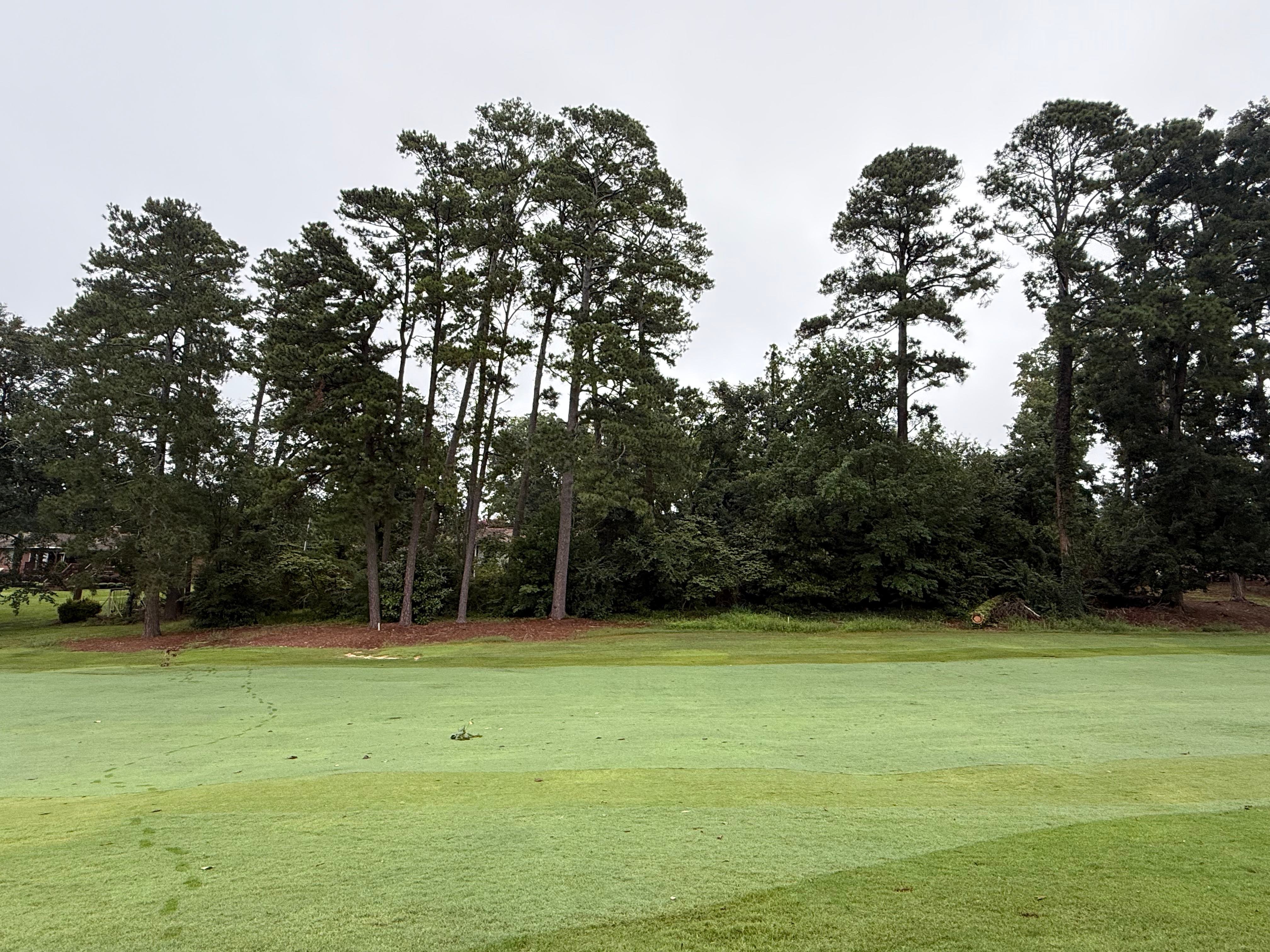


Underbrushing is a term that refers to the practice of clearing and maintaining the lower vegetation in forests, fields, and other natural environments. While it may sound like a topic suited for environmental science or forestry, it can also serve as an interesting and engaging subject for your WordPress blog, especially if you write about nature, gardening, or land management.
In this post, we’ll explore the significance of underbrushing, how it’s done, and why it’s beneficial to both nature and those who live or work on land that requires maintenance.
What Does Underbrushing Involve?
Underbrushing typically involves removing shrubs, small trees, deadwood, and other unwanted growth from the forest floor or grassland. This process is done to encourage the growth of healthy plants, prevent wildfires, and maintain a balanced ecosystem.
In a forest setting, underbrushing improves the growth of larger trees by allowing them to receive more sunlight and nutrients. It can also help reduce the spread of pests and diseases that often thrive in dense, unmanaged vegetation.
Benefits of Underbrushing
- Promotes Healthy Plant Growth
By clearing away smaller, overgrown plants, the larger plants and trees have better access to sunlight and nutrients. This leads to stronger, healthier plants. - Prevents Wildfires
Underbrush can accumulate dead, dry materials that are highly flammable. Removing this vegetation can significantly reduce the risk of wildfires, which is crucial for forest and property safety. - Supports Wildlife Habitat
Certain wildlife species thrive in areas where underbrushing has been carried out, as it can create a more open environment with more available food sources. - Improves Aesthetic Appeal
In landscaped gardens or large estates, underbrushing helps create cleaner, more visually pleasing spaces by removing tangled, unkempt vegetation.
When is the Best Time for Underbrushing?
The timing of underbrushing is crucial for its effectiveness. Ideally, it should be done during the late winter or early spring months when most of the plants are dormant. This ensures that new growth can flourish once the vegetation is cleared away.
It’s also important to consider local wildlife and nesting patterns. Avoid disturbing areas that are home to active nests or breeding animals to minimize the impact on the ecosystem.
How to Perform Underbrushing?
- Gather the Right Tools
Depending on the area you’re working on, you may need tools like a machete, pruning saw, or chainsaw for larger shrubs or small trees. For smaller areas, a weed whacker or shears can do the job. - Assess the Area
Before starting, assess the area to determine which vegetation needs to be removed. You don’t want to remove everything – some plants may be beneficial to the local ecosystem. - Clear the Area Carefully
Start from the outer edge and work your way in. Avoid damaging larger, valuable plants or trees while focusing on clearing dead or invasive species. - Dispose of the Debris
After clearing the underbrush, make sure to dispose of it properly. Pile the debris in a designated area, or use it for composting or mulching if suitable.
Conclusion
Underbrushing is an important and practical practice for anyone managing land, whether it’s a home garden, a farm, or a larger estate. It improves the overall health of vegetation, supports wildlife, and can even prevent dangerous wildfires. By understanding when and how to underbrush effectively, you can contribute to a healthier, safer environment.
If you’re a landowner, gardener, or simply someone interested in maintaining a natural space, underbrushing is a technique you should consider.